The Fascination with Celebrity Look Alikes
The allure of celebrities has been a significant part of popular culture for decades, and one aspect that captivates audiences is the phenomenon of celebrity look alikes. Whether it's a fleeting comparison between friends or a more serious attempt to find one's doppelgänger among the stars, the concept of looking like a celebrity stirs curiosity and intrigue. With advancements in technology, particularly in artificial intelligence, discovering one's celebrity twin has become more accessible than ever. When exploring options, celebrities look alike tools offer comprehensive insights into this fascinating trend, allowing users to engage with their likenesses in fun and often surprising ways.
What Does It Mean to Look Like a Celebrity?
Looking like a celebrity goes beyond mere physical resemblance; it can evoke images of glamour, success, and desirability. Many people yearn to find similarities with renowned figures due to the positive attributes associated with them. This desire often leads to the exploration of look-alike apps and services, which utilize sophisticated algorithms and facial recognition technology to match individuals with their celebrity counterparts. Ultimately, these applications fulfill a psychological need for validation and connection, allowing users to momentarily bask in the glow of fame.
Historical Perspectives on Celebrity Likeness
The concept of celebrity look alikes has historical roots, tracing back to ancient Rome, where emperors commissioned sculptures that exaggerated their features to propagate an idealized image. Fast forward to the present day, the notion has transformed with the rise of modern media. Icons like Marilyn Monroe or James Dean spawned a host of look-alikes who not only dressed like them but also aspired to embody their charisma. This phenomenon has evolved into a digital era where social media and online platforms amplify the reach of look-alike culture, capturing the imaginations of users worldwide.
Psychological Aspects of Celebrity Look Alikes
From a psychological perspective, the human brain is wired to recognize faces, often leading to a fascinating phenomenon known as pareidolia — the tendency to perceive familiar patterns, such as faces, in random objects. This cognitive bias plays a crucial role in why people identify resemblances between themselves and celebrities. Additionally, social validation and the desire for identity can compel individuals to seek out their celebrity look alikes as a form of self-exploration and expression. The growing prevalence of look-alike apps fuels this curiosity, providing users with a fun way to engage with their identities.
Top Apps to Discover Your Celebrity Twin
In recent years, a plethora of apps have flooded the market, each claiming to match users with celebrities they resemble. These tools leverage facial recognition technology and expansive databases of celebrity images to deliver results that can be both entertaining and astonishing. Popular apps like *Celebs Like Me* and others utilize neural networks to refine their matching processes, ensuring more accurate and sometimes uncanny results.
Feature Comparison of Celebrity Look Alike Apps
When exploring celebrity look-alike applications, it’s essential to understand their distinguishing features. Here’s a comparison of some leading apps:
- FaceMatch: Uses a facial recognition engine to compare user photos with a vast database of celebrity images, providing a percentage match along with a list of potential look-alikes.
- Celebs Like Me: Incorporates user-friendly interfaces, allowing users to upload images quickly and receive instant feedback on their celebrity doppelgängers.
- StarbyFace: Utilizes advanced neural networks to analyze facial features, offering a detailed analysis of how closely someone resembles various celebrities.
User Experiences with Popular Apps
User experiences with celebrity look-alike applications vary greatly. Many users express excitement at discovering celebrities they resemble, while others approach the results with skepticism. For some, the matches can lead to moments of joy and laughter, reinforcing the playful nature of these technologies. However, there are also criticisms regarding accuracy and reliance on digital filters, prompting users to question the authenticity of their so-called celebrity twins.
How Technology is Revolutionizing Celebrity Matching
Technological advancements have transformed how we perceive and utilize celebrity matching tools. AI and machine learning play pivotal roles in refining the accuracy of facial recognition algorithms, allowing for increasingly sophisticated comparisons. As these technologies evolve, users can anticipate enhancements in matching precision, even encompassing unique attributes such as hairstyles or makeup. This revolution is not only shaping individual experiences but also influencing cultural trends and perceptions of beauty.
Common Misconceptions about Celebrity Look Alikes
Despite the excitement surrounding celebrity look alikes, several misconceptions persist. Many individuals believe that the results from look-alike apps signify a perfect resemblance, which is often far from reality. Understanding these misconceptions can lead to healthier expectations and a more enjoyable experience when using such applications.
The Myth of Perfect Resemblance
One common myth is the expectation of finding an exact match. In most cases, the app's algorithm identifies similarities based on distinct facial features, yet this does not imply a perfect likeness. The variance in lighting, angles, and facial expressions can further skew results, making an exact comparison questionable. Users must approach match results with an open mind, recognizing that resemblances can be subjective and influenced by multiple factors.
Understanding the Role of Filters and AI
Filters and algorithms play significant roles in how users perceive their matches. Many celebrity look-alike applications employ filters that can enhance or alter facial features, sometimes exaggerating the similarities. Users should be aware of these design elements, which can create unrealistic standards. Furthermore, while AI can process images quickly, it is not infallible; nuances in facial structure that contribute to overall likeness can often be overlooked.
Addressing Privacy Concerns in Celebrity Look Alike Apps
Another pressing concern is privacy. Many users are understandably hesitant to upload personal photos to applications. Reputable services prioritize privacy, implementing measures to ensure that user data is stored securely and not misused. However, it’s crucial for users to conduct research and read privacy policies before engaging with any app to safeguard their personal information.
Practical Tips for Finding Your Celebrity Match
For those eager to explore their celebrity likeness, there are practical steps to enhance the experience and make the most of the technology available. Following best practices can lead to more accurate results and a more engaging user experience.
Best Practices for Using Look Alike Applications
When using look-alike applications, consider the following tips to improve your chances of finding a match:
- Upload Clear Photos: Ensure that the images you upload are of high quality, with good lighting and minimal obstructions. Clear facial shots yield better results.
- Experiment with Different Angles: Don't hesitate to try various angles or expressions. Sometimes a simple change in posture can yield different celebrity matches.
- Verify Your Matches: After receiving results, conduct a little research on the celebrities you resemble. This can provide context to your findings and enhance the experience.
Engaging with Social Media Communities
Another effective way to embrace the celebrity look-alike phenomenon is by engaging with online communities. Social media has fostered numerous forums where users share their experiences and matches. Engaging with these communities can enrich your understanding and provide a space for shared laughter and enjoyment. Encouragingly, many platforms have dedicated hashtags like #CelebrityLookAlikes, which can help users discover and connect with others.
Creating Memorable Content with Look Alikes
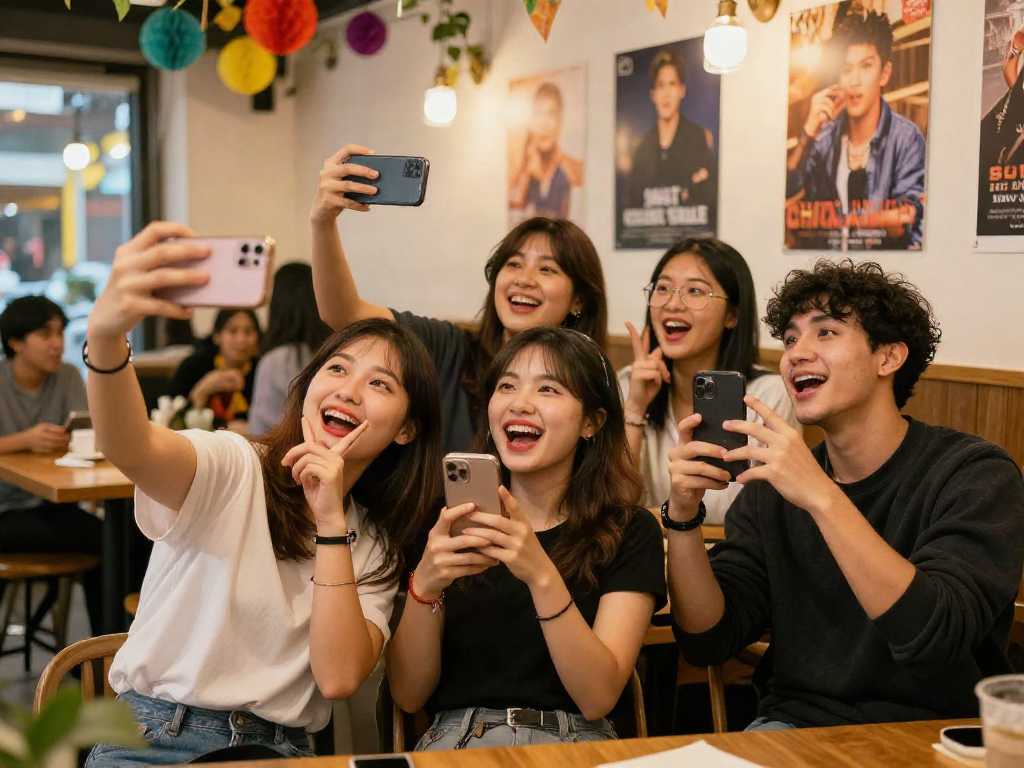
For those who enjoy content creation, using look-alike technology can lead to engaging social media posts. Consider creating side-by-side comparisons or fun videos showcasing your matches. These can serve as entertaining content for your followers, inviting interaction and discussion. Moreover, it's a great way to test reactions and see how others perceive your resemblance to various celebrities.
The Future of Celebrity Look Alikes
As technology continues to advance, so too does the realm of celebrity look alikes. New innovations in artificial intelligence and machine learning are set to redefine the field, allowing for more personalized experiences and refined algorithms.
Emerging Trends in Celebrity Recognition Technology
One of the most significant trends is the integration of augmented reality (AR) with celebrity look-alike applications. This technology could allow users not only to see how they match with various celebrities but also to try on their styles and looks in real-time. Such interactive experiences will provide a thrilling, immersive adaptation to the concept of celebrity likeness.
Potential Market Growth for Look Alike Services
The market for celebrity look-alike services is poised for significant growth. As interest in personalization increases, more businesses are likely to develop apps and features catering to this demand. The saturation of celebrity culture through social media platforms will only serve to further enhance this market, making it more accessible for users globally.
Expert Insights on the Celebrity Look Alike Culture
Experts in psychology and cultural studies suggest that the fascination with celebrity look alikes taps into deeper societal themes. As image culture and social validation continue to evolve, the pursuit of looking like a celebrity reflects broader issues surrounding identity and self-perception. The convergence of technology and cultural motivations will play a pivotal role in shaping the future of this phenomenon.
What Natural Traits Influence Celebrity Likeness?
Interestingly, there are certain natural traits that tend to recur among those who resemble celebrities. Features such as facial symmetry, skin tone, and even hairstyle can contribute distinctly to perceived likeness. Understanding these traits can help users set realistic expectations when seeking out their celebrity matches.
Connecting with the Star Power: Is it All About Looks?
While looks play a significant role in the celebrity look-alike culture, it’s important to recognize that there is much more to these figures than their appearances. Attributes like charisma, talent, and public persona also contribute to why certain individuals may feel drawn to particular celebrities. Ultimately, finding a look-alike can be a fun exploration of not just physical features, but personal identity as well.