Understanding Lasek Bródnowski Mapa and Its Significance
In the ever-evolving field of ophthalmology, precise and effective treatments are paramount for successful vision correction. Among the innovative techniques, the lasek bródnowski mapa stands out as a crucial part of the laser eye surgery landscape. This method combines the principles of laser technology with advanced mapping techniques to enhance the accuracy of refractive surgeries. Understanding what Lasek Bródnowski Mapa entails and its significance can empower patients in making informed decisions about their eye health.
What is Lasek Bródnowski Mapa?
Lasek Bródnowski Mapa is a specialized mapping technique used in laser eye surgeries to create a detailed topographic map of the cornea. This map guides surgeons in personalizing the procedure according to the unique characteristics of each patient’s eyes. The term “Bródnowski” refers to the method’s inventor, who contributed significantly to its development, ensuring that it optimizes the results of LASEK (Laser Epithelial Keratomileusis) procedures. This level of customization helps in targeting imperfections in the cornea that standard procedures might overlook, thus improving overall visual outcomes.
The Importance of Accurate Mapping in Eye Surgery
Accurate corneal mapping is integral to the success of refractive surgeries. It allows the ophthalmologist to understand the shape and curvature of the cornea, which is essential for planning the treatment effectively. A highly detailed map facilitates specific adjustments during the procedure, leading to better precision in correcting refractive errors such as myopia, hyperopia, and astigmatism. Furthermore, it minimizes risks associated with surgery, such as under-correction or over-correction, ensuring that patients achieve the best possible vision post-operation.
What to Expect from Lasek Bródnowski Mapa Procedures
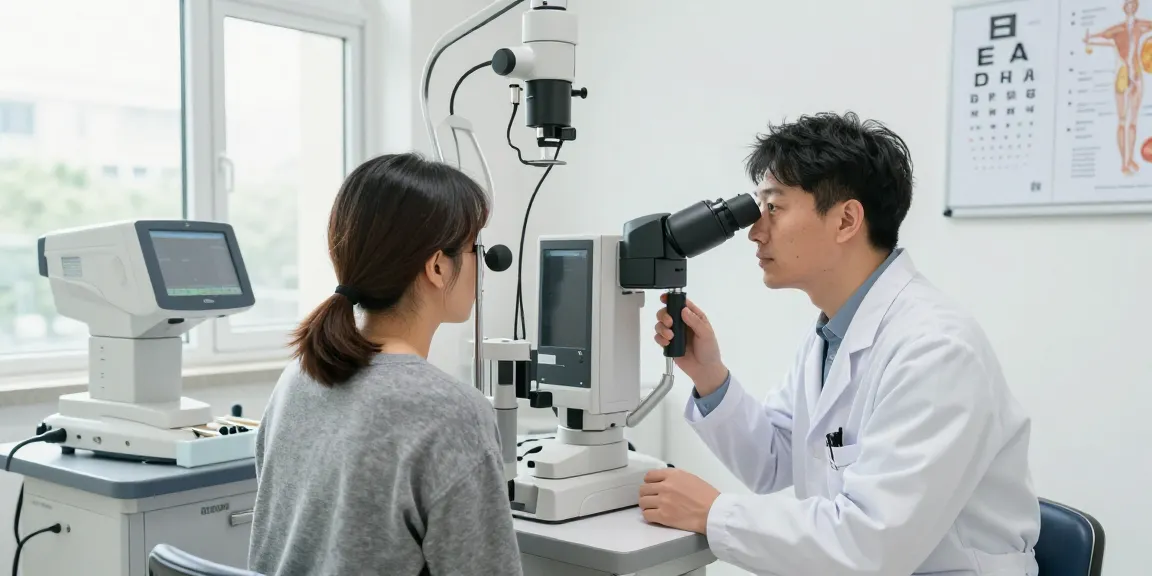
Patients can expect a thorough preoperative assessment when undergoing Lasek Bródnowski Mapa procedures. This typically includes a series of eye exams to evaluate visual acuity, corneal thickness, and overall eye health. Once the mapping is complete, the surgeon will explain the results and outline the surgical process. On the day of surgery, the actual procedure involves using a laser to reshape the cornea based on the customized map, a process that usually lasts less than an hour. Post-operative care and follow-up appointments are crucial for monitoring recovery and ensuring optimal results.
Key Treatments at SNU Eye Clinic
SNU Eye Clinic offers a comprehensive range of eye care services, emphasizing advanced treatments tailored to meet individual patient needs. With an impressive track record of over 50,000 successful surgeries, the clinic has established itself as a leader in ocular health. Their approach involves utilizing cutting-edge technology and a meticulous methodology that ensures superior patient care and outcomes.
Overview of Vision Correction Techniques
At SNU Eye Clinic, vision correction is approached through a variety of techniques, including LASIK, LASEK, PRK, and ICL (Implantable Contact Lens). Each technique has its unique advantages and is chosen based on the patient’s specific vision needs and corneal characteristics. The skilled team at SNU conducts detailed assessments to recommend the most suitable options, ensuring personalized care.
ICL and Toric ICL: Advanced Solutions
ICL procedures have revolutionized vision correction, particularly for patients with high degrees of refractive error not suitable for traditional laser treatments. Toric ICL, designed for astigmatism correction, further enhances the effectiveness of this solution. By implanting a lens within the eye, patients can achieve remarkable improvements in their visual clarity, often immediately after the procedure.
Comprehensive Eye Testing: Insights into 52 Detailed Tests
One of the cornerstones of SNU Eye Clinic’s approach is its commitment to comprehensive eye testing. Their program encompasses 52 detailed assessments across seven categories, ranging from basic visual acuity tests to sophisticated diagnostics involving corneal topography and wavefront analysis. This thorough evaluation process enables the clinic’s specialists to gain invaluable insights into each patient’s ocular health, ensuring precise treatment plans.
Why Choose SNU Eye Clinic for Your Eye Care Needs?
Choosing an eye care provider can be overwhelming, given the plethora of options available. SNU Eye Clinic distinguishes itself with its exceptional track record, personalized care approach, and cutting-edge facilities. Patients can trust that their eye health is prioritized and that they are receiving treatment from qualified professionals who are leaders in the field.
Expert Team and Personalized Care Approach
The team at SNU Eye Clinic comprises highly qualified ophthalmologists, optometrists, and support staff dedicated to providing individualized care. Each patient receives a tailored treatment plan after a comprehensive evaluation, ensuring that their unique vision needs and concerns are addressed. This personalized approach fosters a trusting relationship between patients and their healthcare providers.
Proven Track Record: 50,000+ Successfully Completed Surgeries
With over 50,000 surgeries performed, SNU Eye Clinic boasts a proven track record of excellence in eye care. This extensive experience not only reflects the clinic’s depth of knowledge but also reinforces patient confidence in the treatments offered. Success stories abound, showcasing the positive impact that precise, skillful eye care can make in transforming lives.
State-of-the-art Technology and Facilities
SNU Eye Clinic is equipped with the latest technology in ophthalmic care, ensuring optimal results through state-of-the-art equipment and innovative treatment approaches. The clinic continuously invests in advancements in eye care technology, providing patients with the most effective and efficient treatments available.
Comparing Lasek Bródnowski Mapa Alternatives
While Lasek Bródnowski Mapa is an advanced and effective method for vision correction, it is essential to consider various alternatives that may better suit your specific needs. Understanding the differences between these options can help patients make informed decisions about their eye care.
Innovative Techniques in Vision Correction
Alternatives to Lasek Bródnowski Mapa include traditional LASIK, PRK, and newer techniques like SMILE (Small Incision Lenticule Extraction). Each method has its benefits and drawbacks, and choosing the right one depends on factors such as corneal thickness, lifestyle needs, and overall eye health. Consulting with an eye care professional will provide insights into which option may be best for you.
Factors to Consider When Choosing Alternatives
When comparing alternatives to Lasek Bródnowski Mapa, several factors should be taken into account:
- Refractive Error: The type and severity of your refractive error will significantly influence the recommended procedure.
- Corneal Health: Some treatments require a certain corneal thickness, so assessments are critical.
- Recovery Time: Different procedures have varying recovery times; understanding these can help with planning.
- Long-term Results: Discuss with your clinician about expected outcomes and any potential complications.
Patient Success Stories and Testimonials
Many patients have reported life-changing results after undergoing Lasek Bródnowski Mapa and its alternatives. These testimonials highlight improved quality of life, increased independence from glasses or contact lenses, and enhanced overall satisfaction with their vision. Hearing from others who have undergone these procedures can provide reassurance and a realistic perspective on expected outcomes.
Future of Eye Care Technologies in 2026 and Beyond
The field of eye care is rapidly advancing, with new technologies and techniques being developed to improve patient outcomes. As we look toward 2026 and beyond, several trends are emerging that could reshape the landscape of eye care.
Emerging Trends in Eye Surgery
Innovations in eye surgery are paving the way for more effective treatments with less invasive techniques. Robotic surgery, enhanced imaging systems, and minimally invasive methods are at the forefront. As these technologies evolve, they are likely to become standard practices in eye clinics around the world.
The Role of AI in Eye Mapping and Treatment
Artificial intelligence is playing an increasingly important role in the field of ophthalmology, particularly in eye mapping and predictive analytics. AI can improve the accuracy of corneal mapping and assist surgeons in making better-informed decisions during procedures. As AI technology evolves, it is expected to enhance patient outcomes significantly.
Preparing for Advanced Eye Care: What Patients Should Know
As patients approach eye surgeries of the future, it is essential to stay informed about their options and advancements in technology. Engaging with your eye care provider, asking questions, and understanding the implications of new treatments can greatly enhance the patient experience.
What Are Common Questions About Lasek Bródnowski Mapa?
Patients often have several questions regarding Lasek Bródnowski Mapa, including its effectiveness, safety, and recovery timeline. Addressing these concerns with your healthcare provider can provide clarity and confidence moving forward.
How to Choose the Right Eye Clinic?
Choosing the right eye clinic involves researching qualifications, reading reviews, and understanding the available technologies. Look for clinics with a proven track record, like SNU Eye Clinic, where patient care and outcomes are prioritized.
What Are the Risks Involved in Eye Surgery?
Like any surgical procedure, eye surgery carries risks, including infection, dry eyes, and visual disturbances. A thorough consultation with an experienced surgeon can help mitigate these risks and provide tailored advice based on your individual health profile.
How Often Should You Get Your Eyes Tested?
Regular eye examinations are essential for maintaining eye health, and the frequency can vary based on age and existing eye conditions. Adults should generally have comprehensive eye exams every 1-2 years, while those with specific concerns might require more frequent visits.
What is the Recovery Process After Eye Surgery?
Recovery times can differ depending on the procedure type. However, most patients can expect to notice significant improvement in vision within a few days post-surgery. Following postoperative care instructions and attending follow-up appointments are crucial for optimizing recovery.