
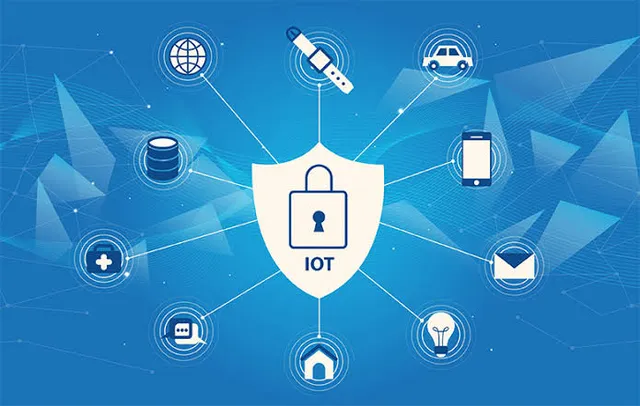
The Internet of Things (IoT) has transformed the way businesses and individuals use technology. Smart cameras, sensors, connected appliances, industrial equipment, medical devices, and other smart systems can communicate and share information across networks. While these technologies improve efficiency and convenience, they can also introduce new cybersecurity risks. As the number of connected devices continues to grow, organizations need effective strategies to protect their systems, data, and users from potential threats.
Understand the Importance of IoT Security
iot security is essential because connected devices can create additional entry points for cybercriminals. Many IoT devices operate continuously and may contain sensitive information or connect to important business systems. If a device is poorly configured, outdated, or compromised, attackers may use it as a pathway into a larger network. A strong security strategy helps organizations identify vulnerabilities, control access, monitor activity, and reduce the potential impact of security incidents.
Create an Inventory of Connected Devices
One of the first steps toward better IoT protection is knowing exactly which devices are connected to your network. Organizations may have hundreds or thousands of IoT devices operating across offices, facilities, warehouses, or production environments.
Creating an accurate inventory allows security teams to identify device types, locations, operating systems, software versions, and network connections. This information makes it easier to determine which devices require updates or additional protection. Unknown devices should be investigated because unauthorized equipment can create unnecessary security risks.
Change Default Passwords
Many IoT devices are shipped with default usernames and passwords. Leaving these credentials unchanged can make devices easier for attackers to compromise.
Organizations should change default login information immediately after installing new devices. Strong, unique passwords should be used for each device or system whenever possible. Multi-factor authentication should also be enabled when the device or associated platform supports it.
Strong authentication creates an additional iot security barrier and makes unauthorized access more difficult.
Keep IoT Devices Updated
Software vulnerabilities can provide attackers with opportunities to compromise connected devices. Manufacturers frequently release firmware and software updates to address security weaknesses, improve performance, and fix bugs.
Organizations should establish a process for identifying and applying relevant updates. Devices that no longer receive security updates should be reviewed and potentially replaced.
Automatic updates can be useful when supported and appropriate, but organizations should also test important updates before deploying them across critical environments.
Segment IoT Networks
Network segmentation is an effective way to limit the potential impact of a compromised device. Instead of allowing every IoT device to communicate freely with business systems, organizations can place connected devices into separate network segments.
For example, security cameras, smart building systems, employee computers, and critical business applications can operate on different network segments. Proper segmentation can prevent an attacker who compromises one device from easily accessing other systems.
Firewalls and access-control policies can further restrict unnecessary communication between network segments.
Monitor Network Activity
Continuous monitoring can help organizations identify unusual behavior from connected devices. Security teams can observe communication patterns, connection attempts, data transfers, and other network activity.
An IoT device that suddenly communicates with an unfamiliar destination or sends an unusually large amount of data may require investigation. Monitoring can provide valuable visibility and help security teams respond to suspicious behavior more quickly.
Organizations should establish baseline activity so that unusual changes are easier to recognize.
Use Strong Access Controls
Not every employee, application, or device needs access to every IoT system. Limiting permissions can reduce the potential damage caused by compromised accounts or devices.
Organizations should follow the principle of least privilege, giving users and systems only the access they need to perform their responsibilities. Access permissions should also be reviewed regularly and removed when they are no longer necessary.
Strong access management can reduce unnecessary exposure across connected environments.
Secure Remote Access
Remote management is common for many IoT devices, particularly in business and industrial environments. While remote access can simplify maintenance, unsecured remote connections may create security vulnerabilities.
Organizations should use secure communication protocols, strong authentication, and carefully controlled access methods. Remote management interfaces should not be unnecessarily exposed to the public internet.
Access logs should also be reviewed regularly to identify unexpected login attempts or unusual remote activity.
Protect Data and Communications
IoT devices frequently collect and transmit information. Depending on the device and environment, this data may include operational information, personal details, location information, or business-sensitive records.
Encryption can help protect information while it is being transmitted or stored. Organizations should select devices and platforms that support appropriate security technologies.
Secure communication can reduce the risk of unauthorized users intercepting or manipulating sensitive information.
Establish a Device Lifecycle Strategy
IoT security should continue throughout the entire lifecycle of a device. Security teams should consider protection during procurement, installation, operation, maintenance, and retirement.
Before purchasing equipment, organizations should evaluate the manufacturer's security practices, update policies, authentication capabilities, and expected support period.
When devices reach the end of their useful life, they should be securely removed from the network and properly disposed of. Any stored credentials or sensitive information should also be deleted according to organizational policies.
Train Employees and Users
Technology alone cannot eliminate every IoT security risk. Employees and users should understand how connected devices can create potential vulnerabilities.
Training can cover topics such as recognizing suspicious activity, using strong passwords, avoiding unauthorized devices, reporting security incidents, and following organizational policies.
Regular awareness programs can help employees make safer decisions when using or managing connected technologies.
Prepare an Incident Response Plan
Even strong security controls cannot guarantee that an organization will never experience an incident. A clear response plan can help teams act quickly when something goes wrong.
The plan should explain how suspicious devices will be identified, isolated, investigated, and restored. Organizations should also define responsibilities for security, IT, management, and other relevant teams.
Regular testing can help identify weaknesses in the response process before a real incident occurs.
Conclusion
As connected technologies continue to expand, protecting IoT environments requires a proactive and layered approach. Organizations should maintain accurate device inventories, change default passwords, apply updates, segment networks, monitor activity, secure remote access, and use strong access controls.
Effective protection also requires employee awareness, secure data practices, lifecycle management, and a well-prepared incident response plan. By combining these best practices, businesses can reduce vulnerabilities and create a stronger defense for their connected devices and networks.