When Sara noticed dry patches forming in her suburban Kentucky lawn each July, she blamed the heat — until she checked the soil and found the top inch bone-dry while the layer below was soaked and compacted. After a few trial-and-error sprinkler runs and a weekend reading extension articles, she switched to a timed, deep-watering routine and saw the brown spots fill in within two weeks. This article walks through those same straightforward steps, matching common watering problems to setups that actually work for real yards.
Why a consistent schedule matters: common problems and how to fix them
Problem: Shallow, frequent watering keeps grass roots near the surface, making lawns stress-prone in heat or drought. Example: A half-hour quick spray every evening leaves the top inch moist but doesn't reach roots. The solution is to water less often and longer so moisture penetrates 4–6 inches, encouraging deep roots.
Match the problem to the right approach
If your lawn develops footprints that don't spring back, you likely need deeper irrigation rather than more frequent shallow sprays. For most cool-season and warm-season grasses, aim to apply about 0.5–1 inch of water per session, every 3–7 days depending on temperature, soil, and season. A simple test: push a screwdriver into the ground after watering. If it goes in easily 4–6 inches, you’ve watered deeply enough.
EPA-affiliated research and extension services show that timing and depth are key: for many U.S. climates, watering once or twice a week deeply uses less water and produces healthier turf than daily light sprinkling. According to EPA WaterSense, smart irrigation controllers can save homeowners up to 15% on outdoor water use, and several state extension services back the one-to-two-times-per-week deep watering approach during peak season (source: EPA WaterSense). follow a lawn watering schedule that actually works if you want a step-by-step, region-adjusted plan and a simple weekly checklist.
Build a practical weekly schedule by yard type
Different yards need different schedules. Below are common scenarios with concrete schedules and the equipment that works best.
- Small lawn (under 1,500 sq ft): Two deep hand-water sessions per week using a mobile sprinkler or hose timer; each session should apply 0.5 inch — roughly 20–30 minutes depending on your sprinkler's output.
- Medium lawn (1,500–5,000 sq ft): One to two deep sessions per week with an oscillating or rotary sprinkler on a dedicated zone; use a simple programmable timer to avoid accidental overrun.
- Large lawn (over 5,000 sq ft): Install zoned in-ground irrigation with a WiFi sprinkler timer to automate multi-zone runs and adjust for weather.
Table: Typical watering times to apply about 0.75 inch per session (approximate; test your sprinkler to confirm)
Sprinkler TypeRun Time (minutes)Coverage NotesOscillating (small lawn)20–30Adjust for nozzle flow; run on two opposite patterns for even coverageRotary (medium lawn)25–40Multiple zones likely neededIn-ground pop-ups (large lawn)15–30 per zoneUse soil moisture sensors or smart timer adjustments
Concrete figure: Measure your sprinkler's output by placing cups around the lawn and running the sprinkler for 15 minutes — an average of 0.2 inches in the cups scaled up tells you how long to run to reach 0.75 inches.
Seasonal adjustments and soil specifics
Soil type dramatically changes how often you water. Sandy soils drain quickly; clay holds water longer but resists infiltration. Example: A sandy-lawn homeowner in Arizona might need two shorter sessions per week, while a homeowner with heavy clay in Ohio waters once a week but adds a slow soak to avoid runoff. Test your soil by digging 6 inches down: if the subsoil is crumbly and dry, you need longer runs.
Seasonal timing
Spring and fall: Cooler temps and lower evapotranspiration mean you can cut back to one session every 7–14 days in many regions. Summer: Increase to one or two deep sessions weekly depending on heat waves. Winter: Dormant lawns often need no irrigation, except newly seeded or sod areas which need lighter, more frequent watering until established.
Practical example: A warm-season grass homeowner in Texas might run irrigation once weekly for 35 minutes per zone during late spring, then up to twice weekly for 25 minutes per zone during July heat spikes. Use a rain gauge or smart controller that skips cycles when rainfall is sufficient.
Match equipment to the problem: specific setups that work
Problem: Overwatering from leaving timers on manual schedules that don't account for rain. Solution: Use the right hardware for your yard and one that can adapt.
Small lawn — simple, low-cost fixes
Scenario: A renter with a tiny front yard and limited tools. Use a DIY mobile sprinkler connected to a hose and a basic programmable hose timer. It’s inexpensive and avoids digging. Run two deep sessions weekly and adjust the timer after rainfall.
Medium lawn — blend automation and manual checks
Scenario: A family lawn with a play area and varied shade. Add multiple portable sprinklers to cover weak spots, and use a multi-program timer. Check soil penetration with a screwdriver after the first week to dial in run times.
Large lawn — smart systems for complex needs
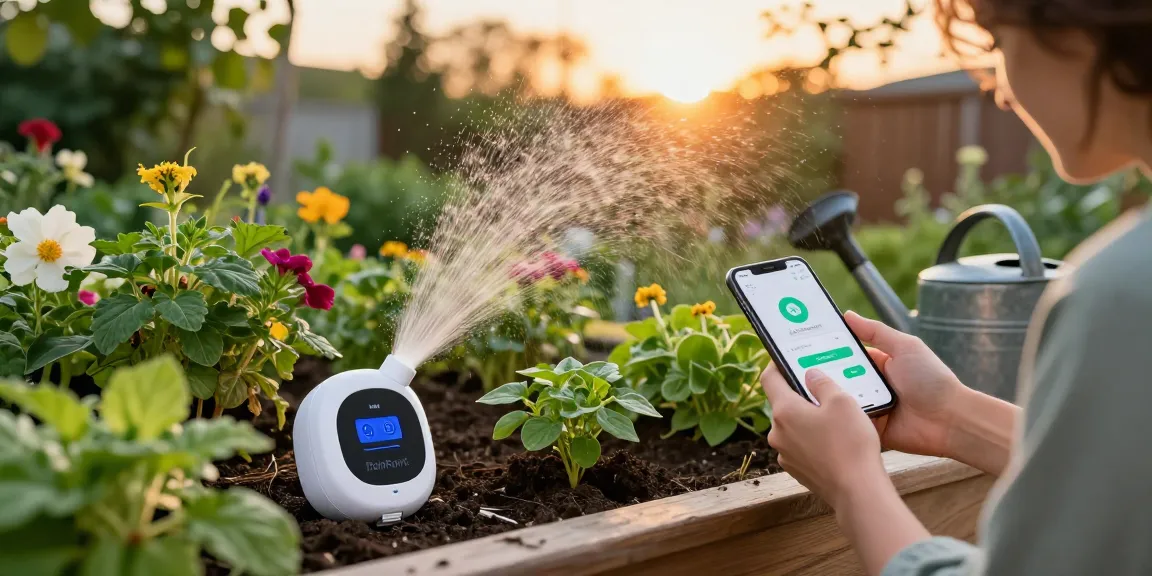
Scenario: A suburban yard with several zones (front, back, shady bed). A WiFi sprinkler timer from RainPoint can handle staggered zones, weather-based adjustments, and remote control from your phone — so you don’t water during a storm and you can run a quick manual session after a soccer practice. Smart controllers paired with soil moisture sensors may save homeowners thousands of gallons per year; the EPA estimates smart controllers and efficient fixtures can achieve substantial outdoor savings.
Vegetable gardens and flower beds need different approaches: drip irrigation targets the root zone, reducing evaporation and leaf wetness. For potted plants, use slow self-watering devices or a small drip ring so water soaks the pot evenly. These focused setups prevent turf-style overwatering and improve plant health.
One last practical tip: label zones, run a simple check after the first full week, and write the confirmed run times on your controller. That prevents guesswork when weather or activity changes.