Understanding Cultural Representation in Media
In today’s interconnected world, cultural representation in media plays a pivotal role in shaping perceptions and understanding among diverse audiences. As globalization continues to bridge gaps between cultures, it becomes increasingly crucial to highlight the authenticity of cultural content. This is especially true for Asian cultures, which are often generalized or misrepresented in mainstream media. Content that genuinely reflects the nuances of these diverse cultures can foster greater appreciation and understanding. By exploring platforms dedicated to authentic representation, such as https://hanadultalk.com, audiences are better equipped to engage with and appreciate the richness of Asian cultures presented in Spanish.
Importance of Authenticity in Cultural Content
Authenticity is vital in cultural content as it ensures accurate representation of traditions, beliefs, and practices. When media misrepresents a culture, it can lead to stereotypes and misconceptions. Audiences often form their views based on the content they consume, making it essential for media creators to provide accurate portrayals. For instance, when films depict Asian characters using cliches rather than nuanced narratives, it diminishes the complexity of those cultures.
Common Misconceptions About Asian Cultures
Despite the vast diversity across Asian cultures, many misconceptions persist. For example, the idea that all Asian cultures are homogeneous disregards the rich differences among countries like Japan, Korea, and the Philippines. These misconceptions can resonate throughout popular media, leaving audiences with skewed perceptions. It’s crucial for media representations to educate rather than misinform, and platforms focusing on authentic cultural narratives can help dispel these myths.
How Media Shapes Perceptions of Asian Cultures
Media serves as a primary source of information for many individuals, especially regarding cultures they are less familiar with. Through storytelling, films, and television shows, media shapes the lens through which audiences view different cultures. Unfortunately, when media prioritizes sensationalism over accurate storytelling, it can reinforce harmful stereotypes. Conversely, well-researched and thoughtfully produced content can help illuminate cultural richness and depth.
Identifying Cultural Stereotypes in Popular Media
Cultural stereotypes are often perpetuated through various media forms, influencing public perception and understanding. Recognizing these stereotypes is essential for developing a critical view of media consumption and its impact on cultural narratives.
Common Stereotypes in Film and Television
Film and television frequently fall prey to stereotypes that oversimplify the complexity of Asian cultures. For example, the portrayal of Asian characters as either the “model minority” or the “exotic other” ignores the individual experiences and cultural backgrounds of these communities. These stereotypes not only limit character development but also narrow audience understanding.
Impact of Stereotypes on Public Perception
The impact of stereotypes on public perception can be profound. When audiences are exposed to limited representations, they may internalize these portrayals and view them as the norm. This can lead to prejudice and discrimination against individuals from those cultures, as stereotypes overshadow the multifaceted nature of their identities.
Analyzing Language and Representation
The language used in media is an essential aspect of cultural representation. Language can evoke feelings and convey cultural significance. The use of inaccurate or superficial representations of language can further entrench stereotypes. Authentic media platforms that provide accurate linguistic representation contribute to a more profound understanding and appreciation of cultural narratives.
Engaging with Asian Content on https://hanadultalk.com
Engaging with Asian content has never been easier, particularly with platforms like https://hanadultalk.com, which aim to fill the gap in bilingual cultural narratives. This platform offers a wealth of resources that engage users with authentic Asian narratives presented in Spanish, catering to the interests of the Spanish-speaking community.
Exploring Authentic Asian Food and Culture
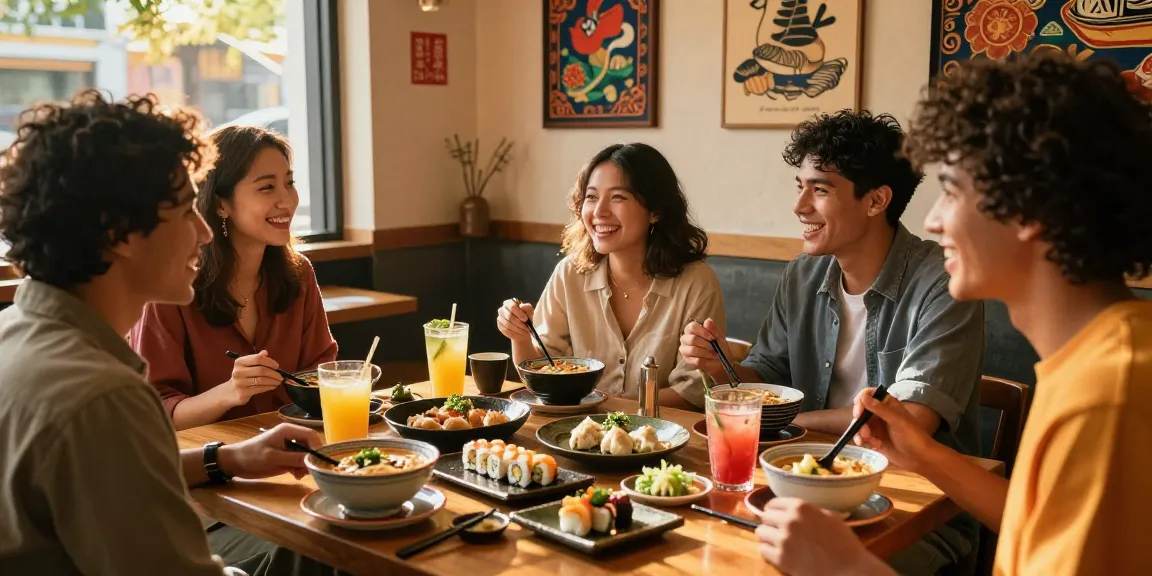
Asian cuisine often serves as a gateway for cultural exploration. With the rise of culinary shows and food blogs, audiences can engage with cultural practices through food. Platforms that emphasize authentic culinary experiences allow users to appreciate not just the flavors but also the cultural stories behind them. For instance, exploring traditional dishes offers insights into family customs, history, and regional differences within Asian cultures.
How to Find Quality Content
Finding quality content about Asian cultures can be daunting amid the noise of mainstream media. It’s essential to seek out reliable sources dedicated to authentic storytelling and cultural representation. Websites that prioritize cultural integrity and community narratives provide value and depth that mainstream content may overlook. Engaging with such content nurtures a more well-rounded understanding of Asian cultures.
Benefits of Bilingual Cultural Platforms
Bilingual platforms bridge cultures and languages, allowing for a richer exchange of ideas and narratives. By providing content in multiple languages, they enable diverse audiences to engage with cultural stories they might otherwise miss. Additionally, bilingual platforms support language learning, making it easier for individuals to pick up new languages while exploring subjects they are passionate about.
Challenges in Cultural Exchange
Cultural exchange is crucial for fostering understanding and appreciation, but it is not without its challenges. Several barriers can inhibit effective cultural exchange and lead to misunderstandings.
Overcoming Language Barriers
Language barriers can pose significant challenges in cultural exchange. Misunderstandings may arise when words, phrases, or idioms do not translate directly between languages. This can result in the loss of cultural nuances. It’s essential for media creators to work closely with cultural consultants and linguists to ensure accurate and respectful representations.
Misinterpretation of Cultural Practices
Inaccurate portrayals of cultural practices in media can lead to misconceptions and misinterpretations. For instance, traditional rituals may be depicted in a sensationalized manner, stripping away their significance and meaning. Responsible storytelling requires sensitivity and respect for the cultures being represented, which can help mitigate the risk of misinterpretation.
Creating Inclusive Content for All Audiences
The creation of inclusive content is vital in ensuring that all voices are heard and represented. When media focuses solely on dominant narratives, it risks alienating marginalized groups. By actively seeking diverse perspectives and inclusive storytelling methods, creators can craft content that resonates with a broader audience, fostering unity through understanding.
Future Trends in Cultural Representation
As societies evolve and become more interconnected, the landscape of cultural representation is changing. Staying ahead of these trends is essential for fostering inclusive narratives and ensuring diverse voices are amplified.
Emerging Voices in Asian Media
In recent years, there has been a noticeable emergence of diverse voices within Asian media. These voices often challenge stereotypes and showcase the complexity of their cultures. By prioritizing narratives from within the community, media can foster authenticity and representation that resonates with audiences. This shift toward inclusivity empowers creators to tell their stories authentically, making room for previously silenced voices.
Anticipating Changes in Audience Engagement in 2026
As we look ahead to 2026, it is crucial to anticipate how audience engagement will evolve. With the increasing rise of digital platforms, audiences will demand more interactive and engaging content. Media formats such as virtual reality and augmented reality will likely play a significant role in enriching cultural storytelling, allowing audiences to immerse themselves in different cultural experiences.
How Social Media Influences Cultural Narratives
Social media has transformed the way cultural narratives are shared and consumed. Platforms like Instagram and TikTok enable individuals to share their cultural experiences, which can help challenge stereotypes and promote authentic representation. User-generated content allows for grassroots storytelling, enabling marginalized communities to take control of their narratives.
How to Engage with Asian Cultures Authentically?
Engaging with Asian cultures authentically requires an open mind and a willingness to learn. This includes approaching cultural content with respect and an understanding of its context. Engaging with local communities, attending cultural events, and consuming media created by individuals from those cultures can foster genuine connections and insights.
What Role Does Language Play in Cultural Understanding?
Language is foundational to cultural understanding. It encapsulates traditions, beliefs, and customs unique to each culture. Learning a language can enhance one’s appreciation for its culture, as it provides access to nuanced expressions and cultural significances that may be lost in translation. Language learning fosters deeper connections and allows for more meaningful exchanges.
How Can Media Platforms Promote Diverse Voices?
Media platforms can promote diverse voices by prioritizing content that amplifies underrepresented narratives and perspectives. This includes providing opportunities for creators from diverse backgrounds to tell their stories and ensuring that their content is not sidelined in favor of mainstream narratives. By creating a supportive environment, platforms can help cultivate a rich tapestry of stories that reflect the true diversity of cultures.
What Are Effective Strategies for Cultural Appreciation?
Cultural appreciation involves recognizing and valuing the contributions of different cultures without appropriating them. Effective strategies include educating oneself about the cultural practices, seeking guidance from individuals within those cultures, and actively participating in authentic cultural experiences. Appreciating culture also requires acknowledging the history and struggles of the people behind it.
How Can We Avoid Cultural Appropriation?
Avoiding cultural appropriation is crucial in respecting the integrity of cultural practices. This involves understanding the difference between appreciation and appropriation, engaging with cultures in respectful ways, and recognizing the historical context of certain cultural practices. Acknowledging and addressing power dynamics at play can help create a more equitable landscape for cultural exchange.