
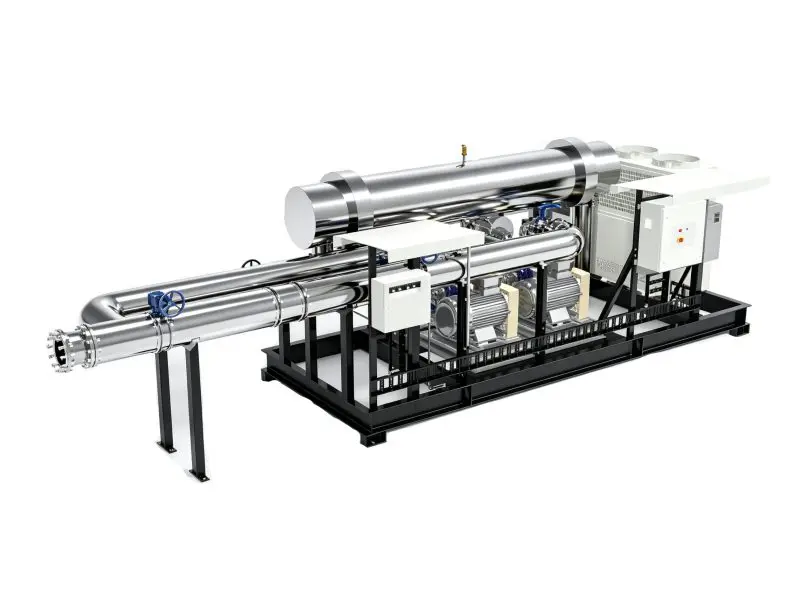
Natural gas generators play an important role in providing reliable electricity for industries, businesses, and critical facilities. Whether used as a primary power source or a backup energy solution, these systems must operate efficiently to deliver consistent performance.
Regular maintenance is essential to keep a natural gas generator running smoothly, reduce unexpected failures, and extend equipment lifespan. The biogas generators can improve fuel efficiency, reduce operating costs, and ensure dependable power availability when it is needed most.
Why Natural Gas Generator Maintenance Matters
A generator is a complex system that includes an engine, electrical components, fuel system, cooling system, and control equipment. Over time, these components experience wear and require regular inspection.
Proper maintenance helps organizations:
- Prevent unexpected breakdowns
- Improve fuel efficiency
- Maintain stable power output
- Reduce repair expenses
- Extend generator life
Ignoring routine maintenance can lead to poor performance, increased fuel consumption, and costly downtime.
Perform Regular Engine Inspections
The engine is the core component of any generator system. Regular inspections help identify potential problems before they become serious issues.
Important engine checks include:
- Inspecting engine components
- Checking for unusual noises or vibrations
- Monitoring operating temperatures
- Reviewing performance indicators
Early detection of small issues helps maintain reliable generator operation.
Check and Replace Filters Regularly
Air and fuel filters play an important role in generator efficiency. Dirty filters can restrict airflow and reduce engine performance.
Regular replacement of filters helps ensure:
- Better combustion
- Improved fuel usage
- Reduced engine stress
- Consistent power generation
Clean filtration systems allow the generator to operate at maximum efficiency.
Monitor Fuel Quality and Supply
The quality of fuel directly affects generator performance. Poor fuel quality can reduce efficiency and create operational problems.
Natural gas systems should have proper fuel supply monitoring to ensure stable operation. Facilities using renewable fuel sources should also maintain proper fuel management practices.
For renewable applications, biogas generators require additional attention to fuel quality because biogas composition can vary depending on the source material.
Maintain Cooling and Lubrication Systems
Cooling and lubrication systems are essential for preventing overheating and reducing friction between moving parts.
Regular maintenance should include:
- Checking coolant levels
- Inspecting hoses and connections
- Replacing engine oil when required
- Monitoring lubrication performance
Proper cooling and lubrication help prevent damage and improve generator reliability.
Inspect Electrical Components
Electrical systems must be checked regularly to maintain safe and stable power production.
Maintenance tasks may include:
- Inspecting wiring connections
- Checking voltage output
- Testing control panels
- Reviewing safety systems
These inspections ensure that the generator continues delivering reliable electricity.
Maintain CHP and Energy Recovery Systems
Many modern energy facilities use combined power generation technologies to improve efficiency. Systems such as biogas CHP allow facilities to produce electricity while recovering useful heat.
Maintaining CHP components helps ensure:
- Efficient heat recovery
- Better fuel utilization
- Reduced energy waste
- Improved overall performance
Regular servicing keeps these integrated systems operating effectively.
Keep the Generator Area Clean and Safe
The environment around a generator affects its performance. Dust, moisture, and poor ventilation can create problems over time.
Facilities should ensure:
- Proper ventilation
- Clean surroundings
- Safe access for maintenance
- Protection from environmental damage
A clean installation area supports safer and more efficient operation.
Follow a Preventive Maintenance Schedule
Preventive maintenance is one of the best ways to protect a generator investment. Instead of waiting for failures, businesses should follow a planned maintenance routine.
A typical maintenance schedule may include:
Daily Checks
- Inspect fuel supply
- Check operating conditions
- Review warning indicators
Monthly Checks
- Inspect filters
- Check fluid levels
- Test system controls
Long-Term Maintenance
- Replace worn components
- Perform detailed inspections
- Review overall system performance
A consistent maintenance plan improves reliability and reduces unexpected downtime.
The Role of Biogas Generators in Sustainable Energy
Biogas generators are becoming increasingly popular in renewable energy projects. These systems convert biogas produced from organic waste into electricity.
When combined with efficient maintenance practices, biogas generators can provide reliable renewable energy while supporting waste reduction and sustainability goals.
Proper servicing ensures stable operation and maximizes the value of renewable fuel resources.
Choosing Professional Maintenance Support
While regular checks can be handled internally, professional servicing is important for complex generator systems.
Experienced technicians can help with:
- Advanced diagnostics
- Performance optimization
- Component replacement
- System upgrades
Professional maintenance ensures the generator continues operating efficiently throughout its service life.
Conclusion
Regular maintenance is the key to achieving maximum performance from a natural gas generator. By inspecting components, monitoring fuel quality, maintaining cooling systems, and following preventive schedules, businesses can improve reliability and efficiency.
With advanced solutions such as biogas CHP and biogas generators, organizations can achieve dependable power generation while supporting more sustainable energy practices.