Understanding Radiology and Its Importance
Radiology is a fascinating and ever-evolving field of medicine that plays a critical role in diagnosing and treating numerous health conditions. In our technologically advanced world, the significance of accurate diagnostics cannot be overstated. Radiology encompasses a variety of imaging techniques that allow healthcare professionals to view the internal structures of the body and assess their condition without invasive procedures. As patients increasingly seek clarity on their health, understanding radiology becomes essential. When exploring options, https://radiologyexplained.com provides comprehensive insights into this indispensable sector of modern healthcare.
What is Radiology?
Radiology is a medical specialty that employs various imaging technologies to diagnose and treat diseases. By capturing images of the body's insides, radiologists can identify abnormalities, monitor disease progress, and evaluate treatment effectiveness. The imaging modalities used in radiology include X-rays, computed tomography (CT), magnetic resonance imaging (MRI), ultrasound, and nuclear medicine.
The Role of Radiology in Modern Medicine
Radiology serves as the backbone of modern diagnostics and treatment plans. Its role extends beyond mere image capturing; it encompasses disease monitoring, prognostic assessments, and guiding therapeutic interventions. In emergency situations, quick radiological evaluations can be lifesaving. Moreover, radiology aids in surgical planning, ensuring that procedures are optimized based on anatomical insights gained from imaging.
Types of Diagnostic Imaging Techniques
- X-ray: The most common radiological test, X-rays create images of dense tissues like bones and are often used to diagnose fractures and infections.
- CT Scans: These provide detailed cross-sectional images of organs, better visualizing structures compared to traditional X-rays.
- MRI: Utilizing magnetic fields and radio waves, MRIs yield detailed images of soft tissues and are invaluable in neurological and musculoskeletal diagnostics.
- Ultrasound: This safe, radiation-free technique uses sound waves to create real-time images, commonly used in obstetrics and abdominal assessments.
- Nuclear Medicine: This involves the use of small amounts of radioactive material to diagnose and treat disease, offering unique insights into organ function.
Key Technologies in Radiology
MRI, CT, and X-Ray: A Comparative Guide
When considering diagnostic tools, MRI, CT, and X-ray have distinct characteristics suited to different applications. X-rays serve as rapid and effective tools for visualizing bone structures but offer limited soft tissue resolution. CT scans provide a more detailed view of both soft and hard tissues but involve higher radiation exposure. MRI, while time-consuming and more expensive, excels in visualizing soft tissues without ionizing radiation. The choice of imaging method depends largely on the clinical scenario, necessitating a thorough understanding of each modality's advantages and limitations.
Emerging Technologies in Radiology for 2026
As we advance towards 2026, several emerging technologies promise to reshape the landscape of radiology. Innovations such as digital pathology and 3D printing of imaging results are on the horizon. Artificial intelligence (AI) is also increasingly integrated into diagnostic processes, improving both speed and accuracy in image interpretation. Furthermore, hybrid imaging techniques that combine modalities, such as PET/CT, are enhancing diagnostic capabilities by providing comprehensive insights into both anatomical and functional statuses of tissues.
How AI is Transforming Radiology Practices
AI's role in radiology cannot be overlooked. By automating routine tasks, AI allows radiologists to focus on more complex interpretations and reduces the chance of human error. Deep learning algorithms are trained to recognize patterns within imaging data, enabling faster diagnostics and triage of critical cases. In addition, AI-driven tools improve workflow efficiency and patient management by predicting complications and suggesting tailored imaging protocols.
Best Practices for Radiology Services
Choosing the Right Radiology Provider
When selecting a radiology provider, patients should consider factors such as accreditation, the expertise of the radiologists, and the availability of advanced imaging technologies. Checking for quality assurance programs and patient reviews can also offer insights into the provider's reliability and service quality.
Patient Safety and Comfort in Imaging
Ensuring patient safety and comfort should be a primary focus in radiology. This involves not only reducing radiation exposure where possible but also fostering a supportive environment. Preparing patients for their procedures, addressing anxieties, and maintaining transparent communication can significantly enhance the imaging experience.
Interpreting Radiology Results Accurately
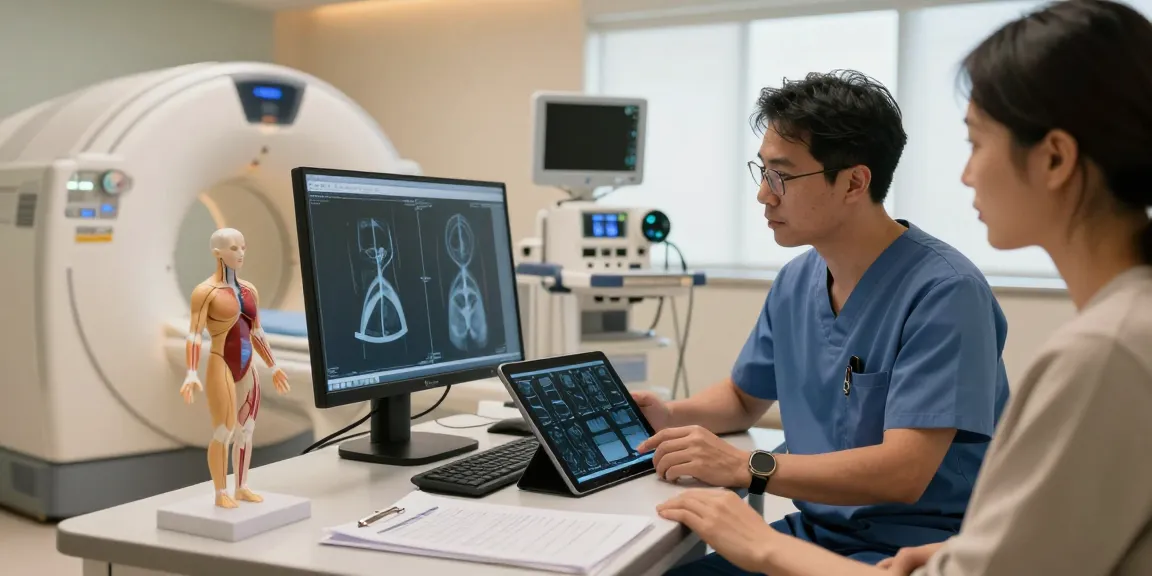
Accurate interpretation of radiology results is crucial for effective patient management. Radiologists should communicate findings clearly to referring physicians and engage in discussions about next steps. Continuous education and training in the latest imaging techniques and interpretations are essential to maintain high standards of care.
The Future of Radiology: Trends and Predictions
Tele-radiology and Remote Consultations
Tele-radiology is poised to revolutionize the delivery of radiological services. Specializing in remote image interpretation, radiologists can provide services across vast distances, increasing access to expert consultations, especially in underserved areas. This trend not only improves healthcare equity but also facilitates timely diagnosis and treatment.
Integration of Wearable Tech in Diagnostic Imaging
The integration of wearable technology into radiology is another exciting development. Devices capable of continuous monitoring can provide real-time health data, which can be valuable for diagnostics. These innovations may lead to personalized imaging protocols that cater to individual patient needs, enhancing the overall efficacy of radiological assessments.
Healthcare Innovations Impacting Radiology
Innovations in healthcare technology are consistently impacting radiology, from advancements in data management systems to developments in imaging equipment. Cloud-based platforms are streamlining image storage and sharing, while improvements in machine learning are enhancing predictive analytics, allowing for more proactive and preventive healthcare approaches.
Common Frequently Asked Questions About Radiology
What should I expect during a radiology procedure?
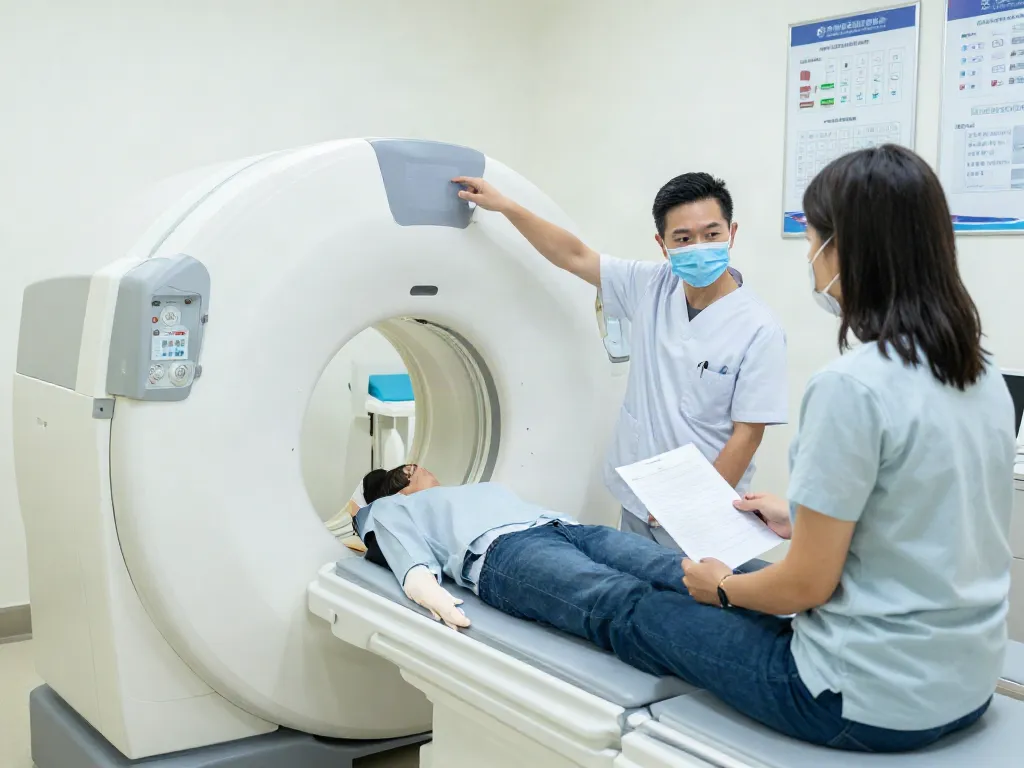
During a radiology procedure, you can expect to be asked about your medical history and current symptoms. Depending on the imaging modality, you may need to change into a hospital gown and be positioned appropriately. The procedure itself will be explained, and you will receive instructions on how to cooperate during the imaging process.
How do I prepare for my radiology exam?
Preparation varies by procedure. For X-rays, no special preparation is usually necessary. For CT or MRI scans, you may need to avoid eating or drinking beforehand. Always follow specific instructions given by your healthcare provider, as they will tailor advice to your individual circumstances.
Are there risks associated with imaging tests?
Imaging tests carry some risks, primarily related to radiation exposure in modalities like X-rays and CT scans. However, the benefits of accurate diagnosis often outweigh these risks. Radiologists are continually working to minimize exposure through techniques such as dose optimization and employing alternative methods when suitable.
How is radiology evolving with technology?
The evolution of radiology is marked by ongoing technological advancements. From the integration of AI in imaging analysis to tele-radiology facilitating remote consultations, the field is transforming. These changes not only improve diagnostic capabilities but also enhance patient care delivery.
Can radiology help in early disease detection?
Radiology plays a crucial role in early disease detection. Advanced imaging techniques enable the identification of diseases like cancer at earlier stages when treatment is most effective. Regular screenings and appropriate imaging can significantly improve outcomes and survival rates for various conditions.