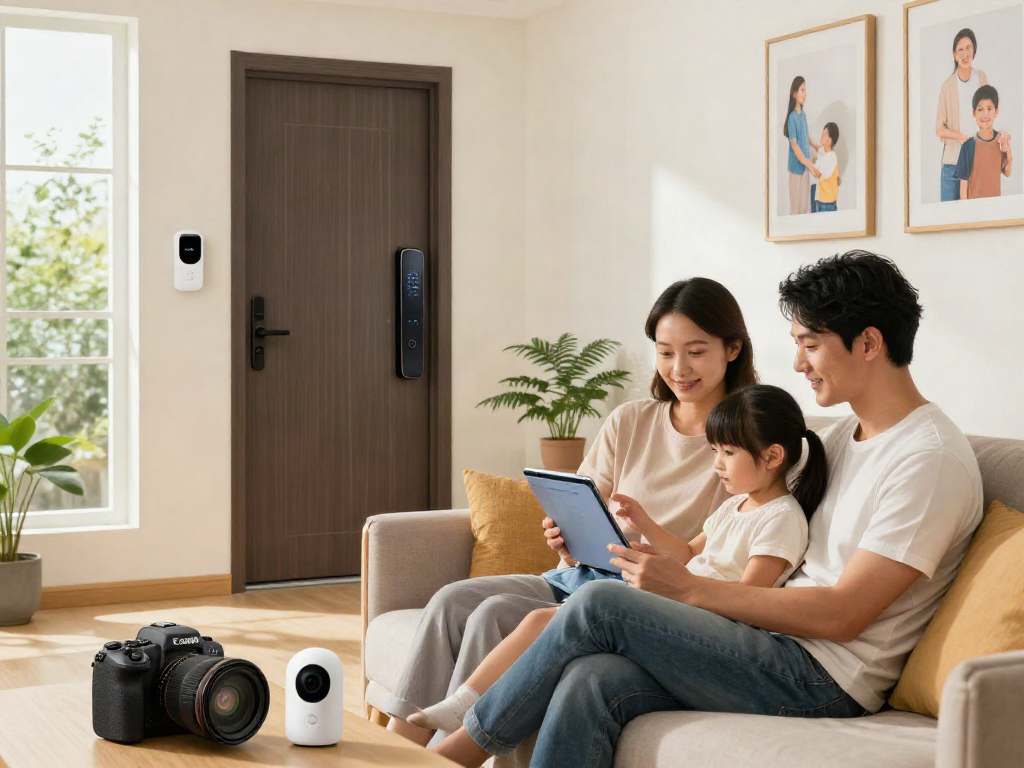
Understanding Smart Locks: What You Need to Know
As technology continues to evolve, home security has seen a significant transformation with the introduction of smart locks. These devices not only offer advanced security features but also integrate seamlessly with modern lifestyles. Whether you're considering upgrading your traditional lock or diving headfirst into home automation, understanding smart locks is crucial for making informed decisions. When exploring options, خرید قفل هوشمند can provide comprehensive insights into the best models available in the market.
What is a Smart Lock?
A smart lock is an electronic locking device that uses wireless technologies, such as Bluetooth or Wi-Fi, to control access to your home. Smart locks can be operated using smartphones, key fobs, or even voice-activated systems. Unlike traditional locks, smart locks often come with features like remote access, activity logs, and temporary access codes, allowing homeowners to monitor and manage their security from anywhere.
Benefits of Purchasing a Smart Lock
The benefits of smart locks extend far beyond convenience. They offer enhanced security features that can help you manage access more effectively. Here are some key advantages:
- Remote Access: Control your lock from anywhere using a smartphone app.
- Keyless Entry: Eliminate the need for physical keys and reduce the risk of losing them.
- Temporary Access Codes: Provide guests or service personnel with unique codes that can be set to expire.
- Activity Logs: Track who enters and exits your home and at what times.
- Integration: Smart locks can easily integrate with other smart home devices for enhanced security.
Key Features to Consider in 2026
As we move through 2026, the landscape for smart locks is continually evolving. When choosing a smart lock, consider the following features:
- Biometric Access: Fingerprint recognition for quick and secure entry.
- Voice Control Compatibility: Integration with virtual assistants like Amazon Alexa or Google Assistant.
- Battery Backup: Ensures functionality even during power outages.
- Two-Factor Authentication: Adds an additional security layer by requiring a secondary verification method.
- Sustainability: Look for models with sustainable materials and energy-efficient technologies.
Choosing the Right Smart Lock for Your Home
With a variety of smart locks on the market, selecting the right model can feel overwhelming. However, understanding your specific needs and preferences can simplify the process. Here’s how to narrow down your options.
Comparing Different Types of Smart Locks
Smart locks come in several varieties, each with unique functionalities:
- Deadbolt Smart Locks: These replace traditional deadbolts and provide enhanced security.
- Lever Handle Smart Locks: Ideal for doors that use lever handles, making them easier to operate.
- Smart Deadbolts with Cameras: These provide both locking capabilities and video surveillance.
Factors to Consider for Your Specific Needs
When shopping for smart locks, consider the following factors:
- Security Features: Assess the level of security offered, such as encryption and alarm systems.
- Connectivity: Determine if you prefer Bluetooth, Wi-Fi, or a hybrid approach.
- Design: Ensure the lock complements your home’s aesthetic.
- Ease of Use: Choose a lock that your family members can easily operate.
Top Brands and Models for 2026
As of 2026, several brands are leading the smart lock market:
- August Smart Lock Pro: Known for its compatibility with existing deadbolts.
- Schlage Encode: Offers built-in Wi-Fi for direct connectivity.
- Yale Assure Lock: Features a touchscreen keypad and various smart home integrations.
Installation and Setup of Smart Locks
Installing a smart lock is generally straightforward, but it requires attention to detail to ensure security and functionality. Follow these steps for a successful installation.
Step-by-Step Guide to Installing Your Smart Lock
- Gather Tools: You will need a screwdriver, measuring tape, and the smart lock kit.
- Remove Existing Lock: Unscrew and remove the old lock from your door.
- Install the Smart Lock: Follow the manufacturer’s instructions to install the new lock.
- Connect to Wi-Fi: Use the app to connect your smart lock to your home network.
- Test the Lock: Ensure it operates both manually and electronically.
Common Installation Mistakes to Avoid
To ensure a smooth installation, be cautious of these common pitfalls:
- Not checking the door compatibility with the smart lock.
- Neglecting to read the manufacturer’s instructions thoroughly.
- Forgetting to update the software after installation.
Integrating Smart Locks with Other Security Systems
Smart locks can enhance your existing security measures. Consider integrating them with systems such as:
- Security Cameras: Monitor entry points and receive alerts for unusual activity.
- Alarm Systems: Set alerts if doors are left unlocked.
- Smart Doorbells: Gain real-time video feeds of visitors.
Smart Lock Maintenance and Troubleshooting
To prolong the life of your smart lock, regular maintenance and knowledge of troubleshooting can prevent inconvenient situations.
Routine Maintenance Tips for Longevity
To ensure your smart lock functions well, consider these maintenance tips:
- Regularly Check Batteries: Replace batteries before they deplete to avoid lockouts.
- Clean the Lock Mechanism: Dust and debris can hinder performance; use a soft cloth to keep it clean.
- Update Software: Regularly check for firmware updates to enhance security.
Common Issues and How to Solve Them
Here are some frequent problems you might encounter:
- Lock Not Responding: This may be due to low batteries; replace them first.
- Connectivity Issues: Ensure your Wi-Fi signal is strong and re-connect the lock.
- Forgotten Codes: Reset the device using the manufacturer's guidelines to regain access.
Upgrading Software and Security Features
Keeping your smart lock secure involves regular updates. Most manufacturers provide notifications through their apps for necessary upgrades. Ensure you install updates promptly to maintain security protocols.
The Future of Smart Locks and Home Security
The next few years are set to witness groundbreaking advancements in smart lock technology. With emerging trends and innovations, home security will evolve significantly.
Emerging Trends in Smart Lock Technology
Some trends to watch for include:
- AI Integration: Artificial intelligence will enhance security features.
- Increased Interoperability: Smart locks will work seamlessly with a wider range of home automation systems.
- Advanced Materials: Stronger and more durable materials will increase physical security.
Predictions for Home Security in 2026 and Beyond
Experts predict that smart locks will become a standard in home security, prioritizing user privacy while maintaining convenience. Homeowners will be more informed about their security options, leading to informed purchases and installations.
Expert Insights on Smart Home Integration
Integrating smart locks with other home automation devices provides a holistic approach to home security. This interconnectedness will allow for automated routines, such as locking the door when leaving home or unlocking it as you arrive, enhancing both convenience and safety.
What are the advantages of smart locks over traditional locks?
Smart locks offer enhanced security features, such as remote access, temporary codes, and monitoring capabilities, which traditional locks cannot provide.
How much does it cost to install a smart lock?
The installation cost can vary based on the model and professional fees, typically ranging from $100 to $300.
Can smart locks work without internet access?
Many smart locks operate via Bluetooth and can function without internet access, although features like remote locking may be limited.
What features make a smart lock secure?
Features that enhance security include encryption technology, biometric access, alarm systems, and robust physical construction.
How do smart locks integrate with home automation systems?
Smart locks can connect with home automation systems through Wi-Fi or Zigbee, allowing you to control them via smartphone apps and integrate them into larger security networks.