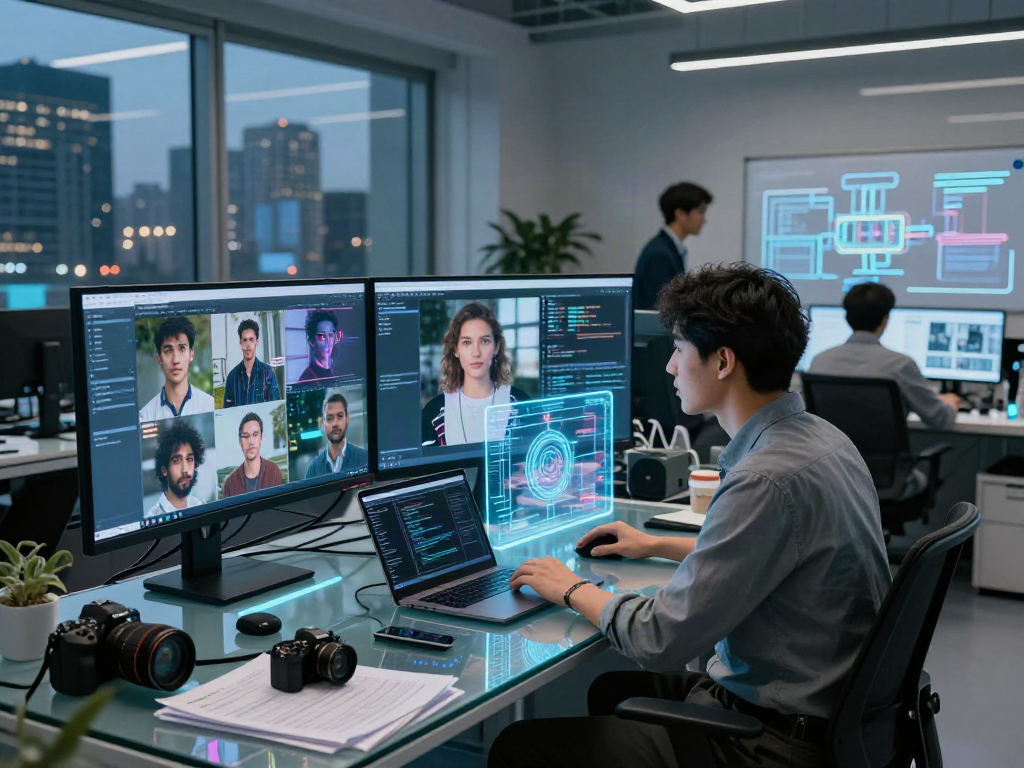
Understanding AI Image Detection Technology
In an era where visual content plays a critical role in communication and interaction, ensuring the authenticity of images has become paramount. With the advance of artificial intelligence, the capability to generate images has reached new heights, leading to the necessity for effective tools that can identify AI-generated visuals. This is where the importance of an AI Image Detector comes into play, serving as a crucial resource for various sectors to maintain the integrity of digital media.
What is an AI Image Detector?
An AI Image Detector is a sophisticated tool that utilizes machine learning algorithms to analyze and identify images that have been generated or manipulated by artificial intelligence. These detectors examine features within an image, such as texture, lighting, and patterns, to determine its origin and whether it has been artificially created. They are increasingly essential in combating misinformation and ensuring that consumers can trust the visual content they encounter.
How AI Image Detectors Work
AI image detectors operate through complex models that have been trained on vast datasets of both natural and AI-generated images. These models learn to differentiate between various characteristics of real and synthetic images by analyzing pixel values and image metadata. When a new image is inputted, the detector evaluates its features against its learned database, providing a probability score indicating the likelihood that the image is AI-generated. Some advanced tools even incorporate deep learning techniques, enhancing accuracy and speed.
Importance of Image Integrity in Digital Media
The integrity of images is crucial across different digital platforms, particularly as misinformation and deepfakes become more prevalent. In fields like journalism, social media, and advertising, the authenticity of visual content directly impacts credibility and trust. Ensuring that images are genuine helps prevent the spread of false narratives, protects brands from reputational damage, and fosters a more trustworthy online environment.
Applications of AI Image Detectors in Various Industries
AI image detectors are not limited to a specific sector but have versatile applications across various industries, enhancing their operational capabilities and safeguarding their stakeholders.
AI Image Detection in Journalism and Media
In journalism, the verification of images plays a vital role in upholding the integrity of news reporting. AI image detectors help journalists confirm the authenticity of images before publishing. By quickly analyzing photos from social media or other channels, reporters can discern whether an image has been manipulated or generated, which is crucial during fast-paced news cycles.
Usage in Social Media Platforms
Social media platforms increasingly employ AI image detectors to monitor content shared by users. This technology allows platforms to flag or remove misleading images, deepfakes, and other manipulated media, thereby enhancing user trust and safety. Additionally, detecting AI-generated content can help combat harassment and misinformation campaigns, securing a better online environment.
Impact on E-commerce and Online Retail
In the e-commerce sector, AI image detectors are instrumental in maintaining product authenticity. Online retailers can leverage these tools to verify images of products uploaded by users or third-party vendors, ensuring that what customers see matches reality. This verification minimizes the risk of fraud and enhances the overall customer experience, leading to increased trust and sales.
Challenges in AI Image Detection
While the significance of AI image detection is undeniable, several challenges persist, impacting its effectiveness across various applications.
Common Misconceptions about AI Image Detection
A prevalent misconception is that AI image detectors are foolproof and can accurately identify all AI-generated content. However, these tools often have limitations and can produce false positives or negatives, leading users to trust them unconditionally. Awareness of these limitations is essential for users, as over-reliance on technology can result in unintended consequences.
Limitations of Current AI Image Detectors
Current AI techniques face several challenges, including the rapid advancement of generative models that continually improve their ability to mimic real images. As these models evolve, so too must the detection algorithms, necessitating constant updates and training on new datasets. Additionally, the diversity of image styles and formats can complicate detection efforts, leading to occasional inaccuracies in results.
Addressing Privacy Concerns in Image Analysis
Another challenge in AI image detection involves privacy concerns. Analyzing images can raise ethical questions, mainly if personal data or identifiable information is involved. Balancing the need for effective detection with user privacy rights is essential for gaining public acceptance and fostering responsible use of AI technologies.
Best Practices for Implementing AI Image Detectors
To maximize the effectiveness of AI image detectors, organizations should adhere to best practices during implementation and use.
Choosing the Right AI Image Detection Tool
Selecting an appropriate AI image detection tool involves evaluating accuracy, speed, and user-friendliness. Organizations should consider conducting trials with multiple tools to determine which one best meets their needs and integrates well into existing workflows.
Integrating Detectors into Existing Systems
Seamless integration of AI image detectors into current systems is vital for enhancing operational efficiency. Incorporating APIs or existing software solutions can facilitate smooth interactions and improve overall functionality, ensuring that users can leverage detection capabilities without disruption.
Monitoring and Evaluating Performance Metrics
Regular monitoring and evaluation of performance metrics are crucial for maintaining the effectiveness of AI image detectors. Organizations should track metrics such as accuracy rates, processing times, and user feedback to identify areas for improvement and ensure the tools remain effective in evolving environments.
The Future of AI Image Detection in 2026 and Beyond
As technology progresses, the landscape of AI image detection is likely to undergo significant transformations, shaping its future applications and functionalities.
Emerging Trends in AI Image Detection
By 2026, we can expect several emerging trends in AI image detection, including the integration of more advanced machine learning techniques, such as federated learning, which allows models to learn from decentralized data sources while ensuring privacy. Additionally, detectors may become more adept at recognizing intricate patterns in images, improving their ability to identify subtle manipulations.
Predictions for the Next Generation of AI Models
The next generation of AI models is projected to focus on robustness and adaptability. Enhanced models will need to cope with adversarial attacks that aim to deceive detection systems. Increased collaboration between researchers, industry leaders, and regulators will likely result in better standards and practices for image verification, leading to widespread adoption of reliable AI image detectors.
How Businesses Can Prepare for Future Developments
Businesses should stay informed about advancements in AI image detection and invest in training programs for employees to ensure they are equipped to handle new technologies effectively. Proactive adaptation to new developments will provide a competitive edge, allowing organizations to maintain trust with their stakeholders.
What are common uses of AI Image Detectors?
Common uses of AI image detectors include verifying images in journalism, monitoring content on social media platforms, and ensuring authenticity in e-commerce. They are deployed wherever the integrity of visual information is crucial.
How reliable are AI Image Detectors?
The reliability of AI image detectors varies. While many offer high accuracy rates, factors such as the complexity of the image and the detection algorithm's sophistication can influence performance. Users should approach results with a critical mindset and validate findings through additional methods when necessary.
Can AI Image Detectors prevent misinformation?
AI image detectors can significantly reduce the spread of misinformation by identifying synthetic or manipulated images before they go viral. However, they are not a standalone solution, and a multi-faceted approach involving human oversight is essential for comprehensive management of misinformation.
What industries benefit most from AI Image Detection?
Industries such as journalism, advertising, e-commerce, and social media benefit greatly from AI image detection. As visual content becomes increasingly central to communication, these sectors require tools to verify authenticity and maintain trust among audiences.
What are the ethical considerations of AI Image Detection?
Ethical considerations surrounding AI image detection include privacy concerns, potential biases in training data, and the responsibility of organizations to use such tools ethically and transparently. Organizations must navigate these challenges thoughtfully to foster trust and accountability.