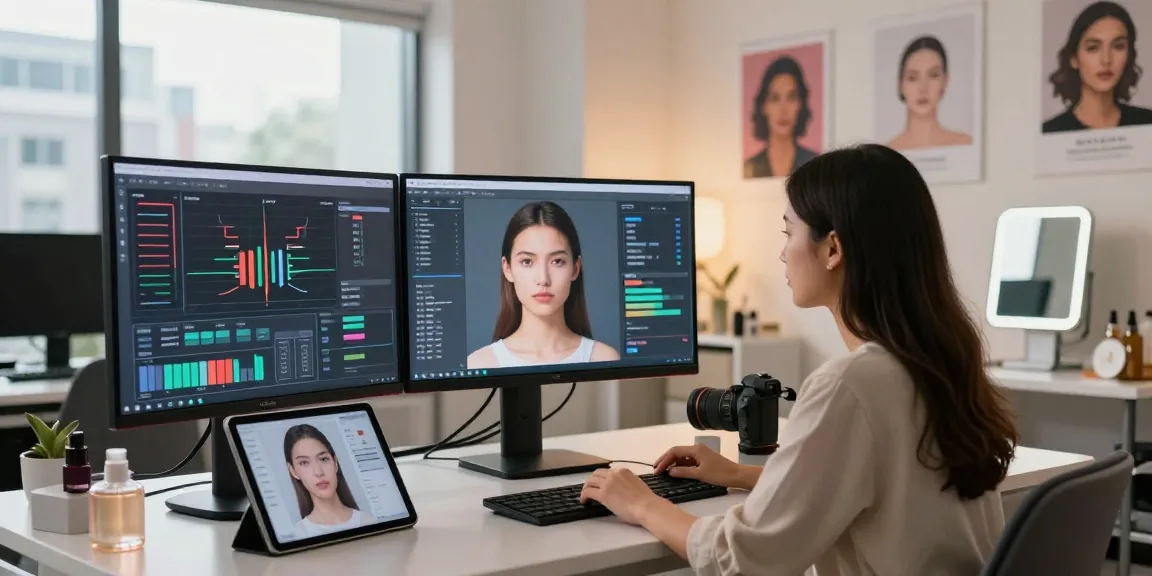
Understanding Facial Age Estimation
In a world increasingly focused on youth and vitality, many individuals find themselves curious about how their appearance reflects their actual age. This inquiry has given rise to various technologies and tools that estimate facial age using advanced algorithms. With the integration of artificial intelligence (AI) and machine learning, these tools provide fascinating insights into perceived age, bridging the gap between how old we feel and how old we actually look. When exploring options, how old do i look offers a user-friendly interface to engage with age estimation technologies.
What is Facial Age Estimation?
Facial age estimation is a process that uses digital imaging and algorithms to analyze facial features and determine a person's perceived age. By assessing variables such as skin texture, wrinkles, and facial structure, these tools generate an estimate of how old someone looks compared to their chronological age. This practice is not only popular for entertainment but also serves various practical purposes in the fields of cosmetics, dermatology, and social media.
How Does AI Determine Your Age?
AI-based age estimation tools employ complex algorithms trained on large datasets of human faces. These datasets include images of individuals at various ages, allowing the AI to recognize patterns and features typically associated with specific age ranges. The technology often considers factors such as:
- Skin Condition: The presence of wrinkles, age spots, and overall skin texture.
- Facial Features: Bone structure, cheek volume, and facial contouring that may change with age.
- Expression Lines: Lines formed due to facial expressions, which can indicate age.
By analyzing these attributes, AI can generate surprisingly accurate estimations of perceived age.
Importance of User Privacy in Age Estimation Tools
As with many AI applications, privacy concerns are at the forefront of facial age estimation technology. Users often upload personal photos to receive age analyses, which raises questions about data security and consent. Reputable tools ensure that user data is handled securely and that images are not stored or used beyond the estimation process. It is crucial for users to be informed about how their data is utilized and what measures are in place to protect their privacy.
How Old Do I Look? The Process Explained
Using age estimation tools can be straightforward, but understanding the nuances of the process can enhance the experience and accuracy of results. Here’s a step-by-step breakdown of utilizing these tools effectively.
Step-by-Step of Using Age Estimation Tools
To get the most accurate results from an age estimation tool, follow these steps:
- Select a Tool: Choose a reliable age estimation tool, such as those found on various websites or as mobile applications.
- Upload a Clear Photo: Use a well-lit, high-resolution image for the best results, preferably one where your face is fully visible.
- Follow the Instructions: Each tool has its own set of guidelines; ensure you follow them to submit your photo correctly.
- Receive and Analyze Results: Once your photo is analyzed, review the age estimate provided. Some tools may also offer insights into your skin condition or features that contribute to the perceived age.
Choosing the Right Photo for Best Results
The quality of the photo you provide can significantly impact the accuracy of the age estimation. Here are tips for selecting the ideal image:
- Lighting: Natural light is best; avoid harsh shadows or overly bright areas.
- Facial Expression: A neutral expression will yield the most accurate results. Smiling or frowning can distort the estimation.
- Close-Up: Ensure the face takes up a significant portion of the image to give the algorithm ample detail for analysis.
Common Challenges Users Face During Age Estimation
While engaging with age estimation tools can be fun, users may encounter various challenges:
- Inconsistent Results: Different tools may yield varying age estimates based on their unique algorithms and training data.
- Data Privacy Concerns: Users may worry about how their images are handled or stored.
- Expectation vs. Reality: Users might feel surprised or disappointed if the estimate does not align with their self-image or how they feel.
Benefits of Using Age Estimation Technology
Beyond mere curiosity, age estimation tools offer numerous benefits that can enhance personal and social experiences. Here’s how individuals can gain value from these technologies.
Understanding Perceived Age vs. Biological Age
Perceived age can often differ from biological age—the age based on physiological indicators. By utilizing age estimation tools, users can gain insights into how their lifestyle choices or skincare routines may influence their perceived age. This understanding can prompt positive changes in behavior and self-care practices.
Creating Fun Social Media Content with Age Estimation Results
Age estimation technologies can also be a source of entertainment and engagement on social media platforms. Users often share their age estimates, encouraging friends and followers to participate. This can lead to fun challenges and conversations about perceptions of aging and beauty standards.
Enhancing Beauty and Skincare Routines Based on Age Feedback
Many individuals use age estimation results to tailor their beauty and skincare routines. Learning that they appear older than they feel can motivate users to invest in skincare products that target aging signs or to adopt healthier lifestyle choices. In contrast, looking younger than expected can boost confidence and reinforce positive self-image.
Exploring Competitor Tools and Their Features
As the popularity of age estimation technologies grows, numerous applications and websites have emerged, each offering unique features and functionalities. Understanding the differences can help users choose the right tool for their needs.
Comparative Analysis of Popular Age Estimation Applications
When comparing age estimation applications, it’s important to consider factors such as:
- User Interface: A simple, intuitive interface can enhance the user experience.
- Accuracy: Some applications are based on more comprehensive datasets and advanced algorithms than others.
- Add-On Features: Consider tools that offer additional insights, such as suggestions for skincare or wellness products.
How User Experience Impacts Tool Selection
The ease of use significantly impacts which tools users prefer. If an application is difficult to navigate or provides inconsistent results, users are less likely to return. Engaging and user-friendly platforms that provide entertaining and reliable results will foster loyalty among users.
Innovative Features to Look Out For in 2026
As technology evolves, several innovative features may emerge in age estimation tools:
- Real-Time Analysis: Future applications may offer live age estimation using video rather than static images.
- Customization: Users could tailor settings based on skin type, exposure to the sun, or other personal factors.
- Integration with Health Data: Combining age estimation with health tracking could provide deeper insights into overall wellness.
Future Trends in Age Estimation Technology
The landscape of age estimation technology is continually evolving. Advancements in AI and machine learning are set to strengthen the accuracy and user engagement of these tools.
Advancements in AI and Machine Learning for Better Accuracy
As machine learning algorithms become more sophisticated, we can anticipate improvements in how these tools analyze age signs. Future models may incorporate facial recognition technology to account for context and background, providing more nuanced age estimates.
Predictions for User Engagement with Age Estimation in 2026
With the ongoing integration of social media and age estimation tools, high user engagement is expected to continue. Gamification elements, such as challenges and rewards for sharing results, may emerge to further stimulate user participation.
Ethical Considerations in Facial Recognition Technologies
The growth of face recognition technologies brings ethical considerations, particularly regarding consent and data security. Developers must prioritize transparency and user control over personal information to foster trust and encourage adoption.
What Are the Risks Associated with Age Estimation Apps?
While age estimation applications provide fun and engaging experiences, users should be aware of potential risks, including emotional impacts stemming from negative results or privacy issues related to photo uploads. Developers must create safeguards to mitigate these risks.
Can Age Estimation Tools Have Psychological Impacts?
Receiving an age estimate can significantly influence a person’s self-esteem and body image. Users may feel validated or distressed by the results, which can prompt deeper reflections on their appearance and aging. Mindful use of these tools can help manage emotional responses.