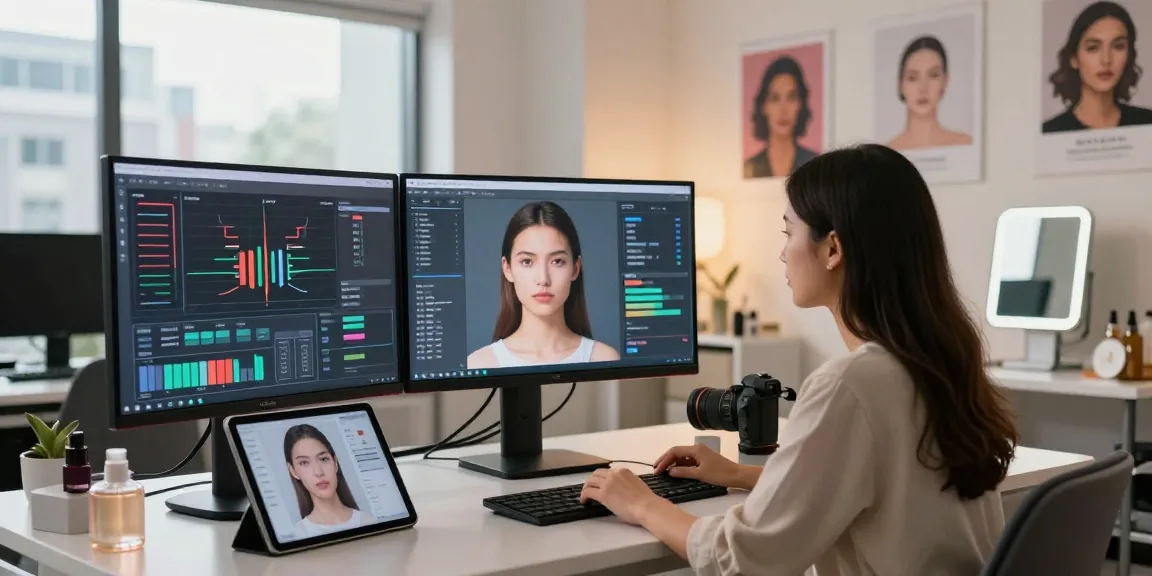
Understanding the Attractiveness Test
The concept of an attractiveness test is rapidly gaining traction in today's digital age, owing to technological advancements and the growing fascination with beauty standards. These tests leverage artificial intelligence (AI) to analyze facial features and provide insights into how one measures up against conventional beauty norms. With numerous platforms offering their versions of the test, users are keen to explore what these assessments reveal about their own attractiveness. The attractiveness test serves as a valuable tool, not only for self-exploration but also for understanding wider societal perceptions of beauty.
What is the Attractiveness Test?
An attractiveness test typically involves uploading a photo, where an AI algorithm assesses various facial metrics such as symmetry, proportion, and alignment. These tests often utilize criteria derived from the golden ratio and other aesthetic principles to arrive at a score that reflects the subject's attractiveness. The process is meant to be engaging and informative, giving users a clearer picture of how they might be perceived in social settings or dating scenarios.
How Attractiveness is Measured
Attractiveness is measured through several key factors, which include:
- Facial Symmetry: Research has shown that symmetry is a significant indicator of beauty, as symmetrical faces are often perceived as more attractive.
- Proportions: Features that align with the golden ratio, such as the distance between the eyes or the width of the mouth, are assessed in relation to the overall face.
- Facial Angle: The angle of the jaw and the canthal tilt, or the position of the eyes, can greatly influence attractiveness ratings.
- Skin Quality: Clear and youthful skin is often regarded as a key component of attractiveness.
The Science Behind Attractiveness Ratings
Understanding the science behind attractiveness ratings involves a mix of psychology, biology, and cultural studies. Scientific research suggests that people subconsciously favor faces that adhere to certain aesthetic rules. For instance, studies reveal that traits associated with youth and healthiness, such as clear skin and symmetrical features, are universally appealing. Additionally, various cultures have different standards of beauty, which can further complicate the notion of what is considered attractive.
Benefits of Taking an Attractiveness Test
While these tests may seem superficial at first glance, they offer several benefits that extend beyond mere numbers. They provide insights that can promote personal development and help boost self-esteem.
Boosting Self-Esteem and Confidence
One primary benefit of taking an attractiveness test is the potential to enhance self-esteem and confidence. By receiving constructive feedback on specific aspects of their appearance, individuals can better understand how they present themselves and identify areas for personal improvement. This newfound awareness can empower individuals to embrace their unique features while also motivating them to enhance their overall appearance.
Understanding Personal Beauty Preferences
Through participation in an attractiveness test, individuals can gain a better understanding of their personal beauty preferences and how these align with societal standards. For instance, many users report that they become more aware of facial features they may want to accentuate or modify based on their test results. This understanding can be pivotal in various aspects of life, including dating and social interactions.
Using Results for Personal Growth
The test results can serve as a catalyst for personal growth. Whether it inspires a new makeup routine, a hairstyle change, or a fitness journey, the insights gained can lead to constructive changes that enhance one's overall attractiveness and self-image. Importantly, the focus should always remain on personal growth and self-acceptance rather than solely striving for external validation.
How to Prepare for Your Attractiveness Test
To get the most accurate results from your attractiveness test, it's essential to approach it with care. Preparation can significantly affect the outcome and your overall experience.
Selecting the Right Photo for Analysis
Choosing the right image is critical when taking an attractiveness test. Opt for a photo where your face is clearly visible, well-lit, and free from distractions. Ideally, the photo should highlight your natural features without heavy editing or filters, as this can skew the test's results.
Understanding Lighting and Angles
The lighting and angle used in your photo significantly impact how your features are perceived. Natural lighting is usually the most flattering, while head-on shots tend to provide the best perspective of symmetry. Experimenting with angles can also help you find your most photogenic side.
Tips for Presenting Yourself Authentically
Authenticity plays a crucial role in presenting oneself. When preparing for your test, aim to exude confidence and comfort in your skin. This not only reflects positively in your photograph but also in how you perceive your attractiveness afterwards.
Common Misconceptions About Attractiveness Tests
Many misconceptions surround the concept of attractiveness tests, leading to misunderstandings about their purpose and effectiveness.
Debunking the Myths
One common myth is that attractiveness tests are entirely objective. In reality, these assessments are based on algorithms that analyze visual data, which can be influenced by cultural norms and biases. While they can provide useful insights, the results should never define a person's worth or beauty.
Understanding Subjectivity in Beauty
Beauty is inherently subjective. What one individual finds attractive, another might not. Attractiveness tests may utilize general metrics, but personal preferences and experiences greatly influence individual perceptions of beauty. Hence, it's important to view the results as one of many perspectives rather than an absolute judgment.
How Cultural Influences Affect Attractiveness
Cultural influences play a significant role in shaping standards of beauty. Different cultures prioritize various traits, which means that someone's attractiveness might be viewed through a differing lens based on cultural backgrounds. Understanding this can help users contextualize their results better.
Future Trends in Attractiveness Testing
As technology continues to evolve, so too does the landscape of attractiveness testing. Emerging tools and trends promise a more nuanced understanding of beauty and attractiveness.
AI Advancements and Their Impact
Advancements in AI technology are making attractiveness tests more sophisticated and accurate. Future tests may incorporate more data points and deeper analytical capabilities, allowing for personalized insights tailored to individual users. This will not only enhance the reliability of the tests but also broaden their appeal.
Emerging Tools and Technologies for Self-Analysis
The rise of augmented reality (AR) and virtual reality (VR) is shaping the attractiveness testing industry. New tools may allow users to visualize potential changes to their appearance in real time, empowering them to make informed decisions about their beauty routines and self-presentation.
Predictions for the Attractiveness Industry by 2026
By 2026, we anticipate the attractiveness testing industry to have expanded significantly, with more user-friendly platforms and mobile applications emerging. Increased focus on inclusivity and diversity will likely lead to more comprehensive testing methods that take into account a wider range of features across different demographics.
What You Can Expect Moving Forward
Users can expect future attractiveness tests to offer more than just a score; they are likely to include constructive feedback, personalized style recommendations, and practical tips for enhancing one's appearance. This holistic approach will transform the attractiveness test into a powerful tool for personal development.
How to Stay Informed on Beauty Trends
Staying updated on beauty trends includes following industry leaders, subscribing to beauty blogs, and engaging with community discussions on social media. These platforms can provide valuable insights into what is currently considered attractive and how standards may be shifting.
Incorporating Feedback into Your Style
Using insights gained from your attractiveness test can help refine your personal style. Whether it’s adjusting your wardrobe, experimenting with makeup techniques, or refreshing your grooming habits, integrating this feedback can enhance both your appearance and confidence.
Addressing Frequently Asked Questions
As with any popular concept, attractiveness tests come with many questions. Here are some frequently asked questions that may provide further clarity:
- Can Attractiveness Change Over Time? Yes, attractiveness can evolve with changes in fashion, health, and personal care habits. Aging and lifestyle choices also play a critical role.
- Is the Test Reliable for Everyone? While attractiveness tests can provide insights, they are not universally reliable. Different individuals may respond to the algorithms in unique ways.
- Are There Any Risks Involved? Risks include potential negative impacts on self-esteem if results are not interpreted positively. It's essential to approach the results with a constructive mindset.
- How Often Should I Take the Test? It often depends on personal preference. Periodic check-ins may help track changes or improvements over time, but too frequent testing can lead to unnecessary anxiety.
- What If I Don't Like My Results? It's important to remember that beauty is not solely determined by test scores. Using this information as a starting point for self-improvement rather than a final verdict can be more beneficial.